

What is the Epic Journey concierge recovery program?
It is an individualized recovery coaching and case-management engagement that surrounds a person and their family through the whole arc of getting well: staging the intervention, getting placed in the right treatment, staying connected during treatment, and building a real life on the other side. It is not licensed clinical care and not a replacement for detox or treatment, it is the consistent, personal quarterback that keeps everything moving in the same direction.
Most people get detoxed, complete a program, and then fall off a cliff, because the case manager, therapist, and staff who supported them can only work with them while they are inside the facility. The day someone walks out is the day that support ends. Epic Journey is built for exactly that gap. We are there before treatment, we stay connected during it, and we keep going long after, which is where the research says long-term recovery is actually built.
Who is it for?
Epic Journey works primarily with high performers, founders, executives, and other professionals, and their families, who need discreet, high-level support that fits a demanding life. Preston has lived both sides of that story: he came from nothing before building and selling multiple treatment centers, so the framework flexes to meet each client and family where they are.
High performers
Executives, founders, and professionals who need discreet, high-level support that fits a demanding life. Preston has raised more than $15M for businesses and built and sold multiple treatment centers, so he speaks this language too.
Their families
Family members working through their own hard chapter after treatment or a difficult stretch. We help with the practical foundation: routine, accountability, jobs, finances, and the confidence to move forward.
What's included in the program?
A personalized plan for mind, body, and spirit, not a one-size template. Here is the core of what the engagement can include, tuned to what you actually need.
1-on-1 coaching with Preston & team
Consistent sessions plus real-time access between them, so accountability lives in the middle of your week, not just on a calendar.
QEEG brain mapping
A quantitative EEG scan through Peak Brain Institute to see how your brain is actually functioning, so the plan is built on data, not guesswork.
Functional medicine & labs
Work with a partnering psychiatrist and functional-medicine practitioners: bloodwork, deficiencies, fitness, and nutrition that quietly drive mental health.
Life-skills coaching
Jobs, finances, budgeting, opening a bank account, résumés, interview prep, and using modern tools like AI, the skills that make independence real.
Real experiences
Surfing, snorkeling, nature, and time off the screen, planned on purpose to create the moments of clarity that keep people going.
A retreat
An in-person retreat during the program to reset, connect, and step fully into the work with the Epic Journey community.
Family support
The people around you are part of the plan, because family involvement measurably improves the chances of long-term recovery.
The Epic Journal
Preston's published daily-practice curriculum, more than 30,000 copies sold, woven through the program as your personal framework.
What is a QEEG brain scan, and why does it matter?
A QEEG (quantitative EEG) is a brain map. It measures your brainwave patterns and compares them to healthy norms, so we can see how your brain is actually functioning, attention, stress, sleep, mood regulation, instead of guessing.
We run QEEG scans through Peak Brain Institute. The results give us and our partnering clinicians a personalized starting point: what your nervous system is doing, where the pressure is, and how to build a plan that fits your biology instead of a generic checklist. It is one more way the work is grounded in something real.
How does functional medicine affect mental health?
Because the brain is part of the body. Nutrient deficiencies, blood-sugar swings, thyroid and hormone issues, gut health, and poor sleep can all show up as anxiety, depression, and brain fog, and they are fixable once you actually measure them.
We work with a partnering psychiatrist and functional-medicine practitioners to run bloodwork and look at the biology underneath how you feel: deficiencies, fitness, and nutrition. When the body is supported, the mental and emotional work gets dramatically easier.

What if a family member needs help building an independent life?
Epic Journey also supports family members who are stuck, often after treatment or a hard stretch, without the practical skills to build an independent, working life. We teach those skills directly.
That means the real-world stuff nobody hands you: how to search for and land a job, how to prepare for and handle an interview, how to write a résumé, how to open a bank account and budget, how to use modern tools like AI, and how to manage money and responsibility over time. Recovery has to come with a life worth staying sober for, and the ability to actually run it.
Why do the experiences matter so much?
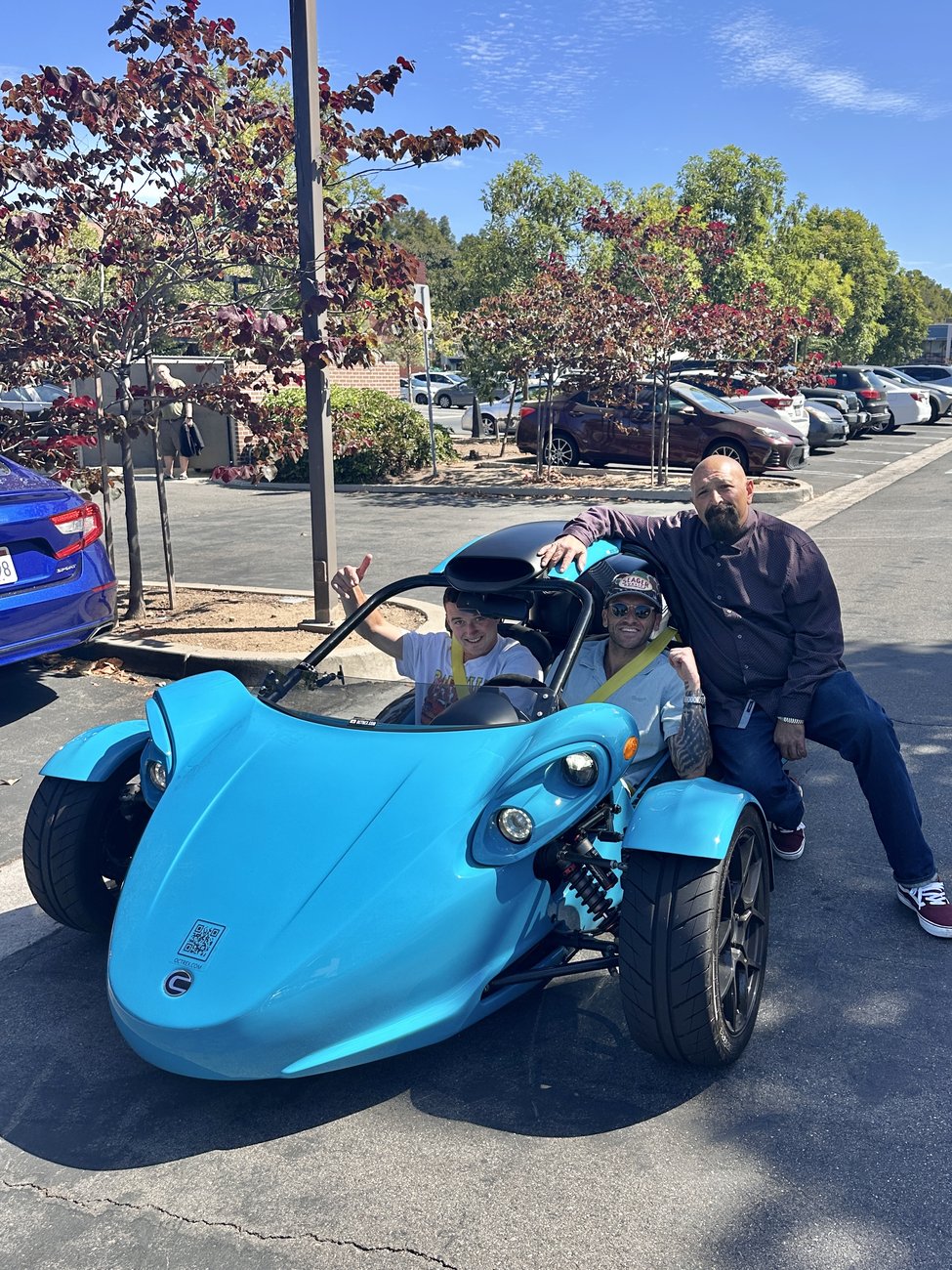
Because you don't get moments of clarity sitting on the couch. You get them out on the water, in the mountains, doing something that reminds you what a real life feels like.
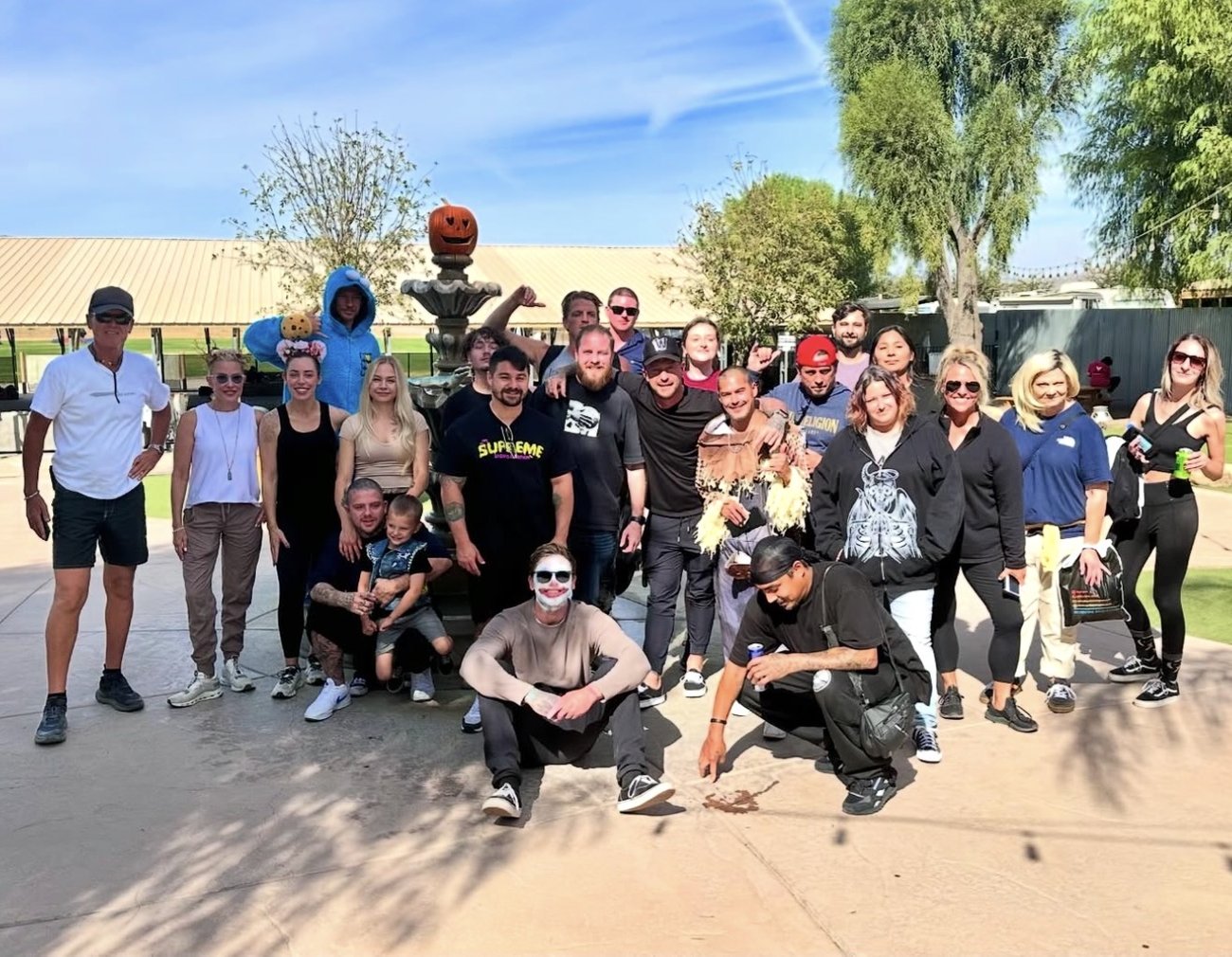
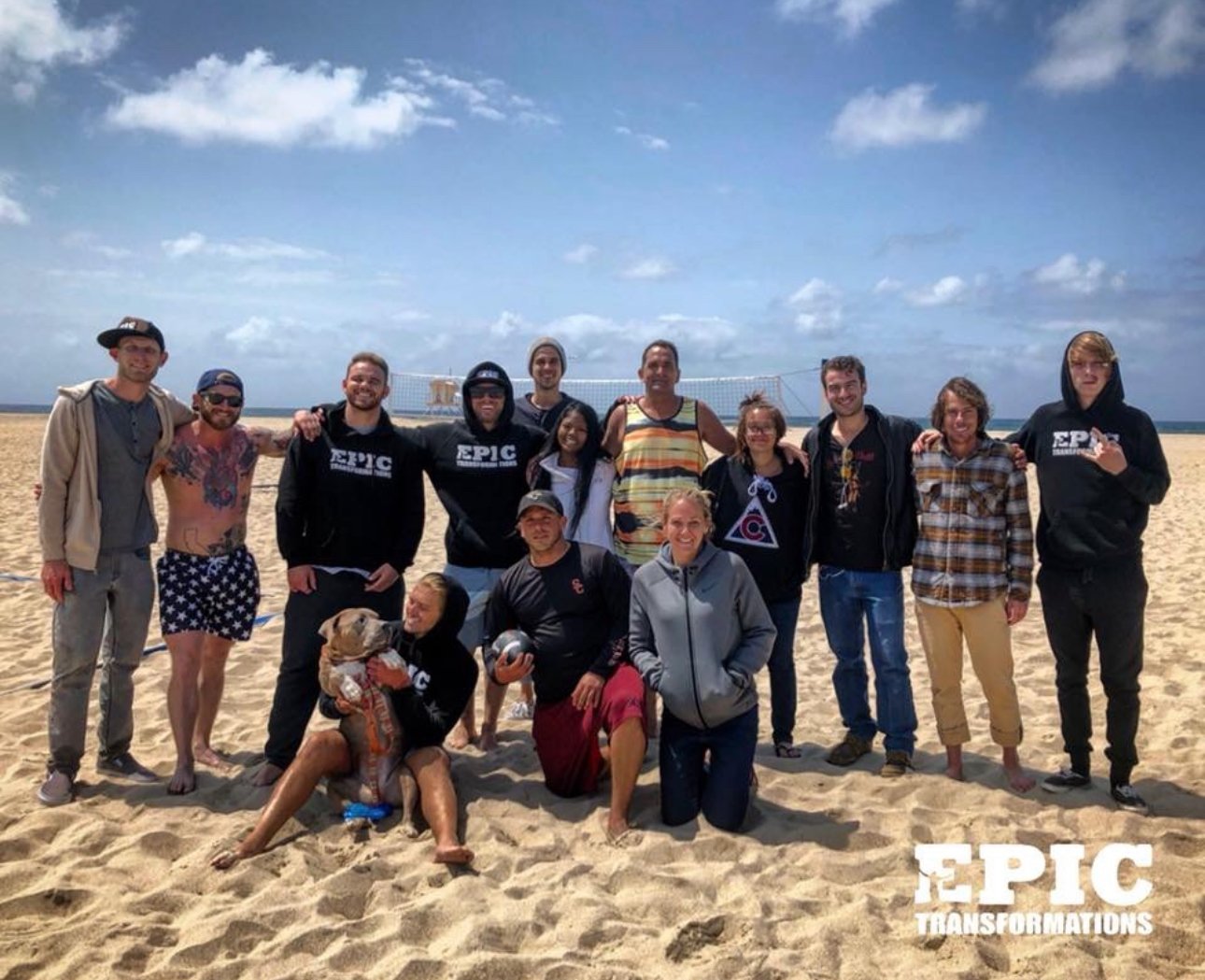
Surfing, snorkeling, nature, community, and time off the screen are not extras, they are the point. We plant those seeds on purpose, so that in a hard moment down the road, a person remembers those powerful, awe-inspiring moments and has something real to reach for. Some people have never truly lived. This is where that changes.
Is it virtual or in person?
Both. A lot of the work is done virtually, so we can support you no matter what state you live in. But we also fly out and set up in-person experiences, because some things only happen face to face.
Virtual keeps the accountability constant and accessible. In-person, the retreat, the experiences, showing up during treatment and reconnecting after, makes it intimate and real. We figure out the right blend for your situation, wherever you are.
Who is on the team?
Preston leads the work, supported by addiction counselors, holistic practitioners, a partnering psychiatrist, and functional-medicine practitioners, so you get a coordinated team, not a single point of contact.
Preston Durnford founded the practice as Epic Transformations in 2014 and renamed it Epic Journey in 2019. He has performed 500+ interventions, worked one-on-one with hundreds of clients directly, and with thousands more across his treatment centers and professional network, built and sold multiple behavioral-health treatment centers he owned, and authored The Epic Journal. He came from nothing and built real success in business, which is why he connects with people at every level, from someone just starting out to founders and CEOs.
Does it actually work?
We have been doing this since 2014, and some of our earliest clients are still 10+ years sober today. Thousands of people have come through the work over the years.
No honest program promises a cure, recovery is a long game, and relapse is common in the first years, which is exactly why the before-during-after continuity matters so much. What we can tell you is that showing up consistently, for the person and the family, over months and not days, is what the evidence and our own track record both point to.
 The Epic Journal
What is The Epic Journal?
Preston's published daily-practice curriculum, more than 30,000 copies sold, and part of the concierge recovery program. It is the same framework used in his own primary mental health and dual-diagnosis facilities.
It turns journaling into real change with prompts, daily practices, and structure. Clients and families use it as a resource throughout the work and long after.
Common questions
Do I have to be detoxed before starting?
Generally, yes, clients need to be detoxed before starting Epic Journey's coaching work. Epic Journey is coaching, intervention, and placement, not a detox or a licensed medical facility. If someone needs detox or treatment first, that is often exactly what we help arrange, and then we build the coaching work around it.
How long is the program?
Engagement length is individualized and tailored to what each client needs. Many people continue well beyond the initial phase, because that is where lasting change is built. We also offer hourly work and smaller packages sized to your needs.
Is this the same as therapy or rehab?
No, this program is not the same as therapy or rehab. A therapist addresses underlying psychological issues and root causes; a licensed facility provides clinical treatment. Epic Journey is practical, real-world coaching, accountability, and case management that works alongside those, before, during, and after, and coordinates the team around you.
Can you help if my loved one is in another state?
Yes, Epic Journey can help even if your loved one is in another state. Much of the work is virtual, so we support people nationwide, and we fly out for the retreat and in-person experiences no matter where you are.
What does it cost?
The program is a custom plan, so pricing depends on what you actually need. It is cash pay, with, and PPO/HMO insurance is accepted for treatment placement. Exact pricing is laid out transparently on your free consult.
What comes next can look completely different.
A free, no-pressure 15-minute call with Preston to understand what you or your loved one is navigating and whether Epic Journey is the right fit.
Book a Confidential CallEpic Journey Recovery provides recovery coaching, intervention, and treatment placement. It is not a licensed clinical treatment provider and does not provide medical or detox services. If you or someone you love is in crisis, call or text 988 (Suicide & Crisis Lifeline).